For decades, two major problems have affected communities across Africa and even some cities in the United States:
✅ Food insecurity
✅ Lack of affordable housing
But what if one solution could solve both?
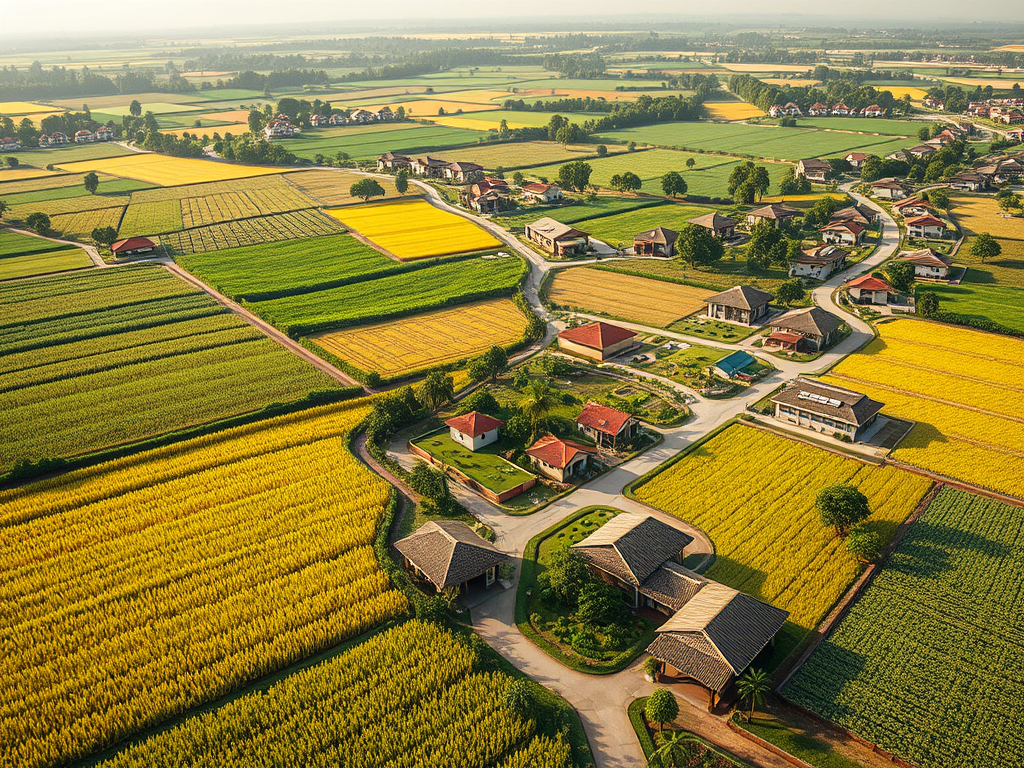
Across the world, a new development model is emerging—agri-real estate. Green World Business Holdings is positioning itself at the center of this movement, using land to produce food, support housing, and create new streams of income for individuals, families, and investors.
The Problem: Growing Population, Shrinking Land
As cities expand, farmlands are shrinking. Farmers are pushed farter away, food becomes expensive, and families struggle to find homes.
Meanwhile, large areas of land across Africa remain idle:
- Millions of hectares of fertile land are uncultivated
- Many rural communities lack modern housing
- Youth unemployment remains high
Nigeria alone has 84 million hectares of arable land, but only about 40% is being used.
This disconnect creates poverty, food shortages, and overcrowded cities.
The Solution: Agri-Real Estate (Food + Housing + Income on One Land)
Instead of choosing between farming and real estate, Green World Business Holdings combines both.
Agri-real estate means:
✅ Part of the land produces food
✅ Part is used for housing, schools, shops, and businesses
✅ Part supports storage, processing, and exports
This model creates self-sustaining communities where residents:
✔ grow food
✔ earn income
✔ live affordably
✔ support local markets
Why This Model Works
| Benefit | Impact |
|---|---|
| Food Production | Lowers food prices and increases availability locally |
| Affordable Housing | Allows low- and middle-income families to own property |
| Job Creation | Farming, processing, logistics, and construction jobs |
| Income for Investors | Land appreciates, food sells, housing rents or resells |
| Community Development | Schools, clinics, and businesses grow around estates |
This is how modern cities are built—sustainably and profitably.
A Real Example
Imagine a 200-acre agri-estate:
- 100 acres for rice, yam, maize, vegetables, or livestock
- 50 acres for affordable homes
- 20 acres for warehouses and processing
- 10 acres for markets, schools, and recreation
The result?
✅ Food for communities
✅ Homes for families
✅ Long-term income for investors
✅ Jobs for youth
✅ Lower food costs in the region
Everyone wins.
How Green World Business Holdings Makes It Possible
We help investors, governments, and diaspora communities:
✔ Acquire land safely
✔ Develop farms and estates legally
✔ Install processing and storage facilities
✔ Link farmers to buyers and exporters
✔ Provide housing through phased development
✔ Manage operations and protect investments
We do not just sell land—
we build systems that feed communities and house families.
Why Investors Love This Model
✔ Land value increases over time
✔ Farming produces consistent cashflow
✔ Housing offers rental income
✔ Exports bring international earnings
It is one of the few business models that produces:
✅ food, ✅ shelter, ✅ jobs, ✅ profit, ✅ economic stability.
Food insecurity and housing shortages are major global problems—but they don’t need separate solutions. By combining smart agriculture with sustainable real estate, communities can feed themselves, build wealth, and grow strong local economies.
This is the future of development—
and Green World Business Holdings is ready to lead it.
📩 To partner, invest, or learn more:
🌐 www.greenworldbusinessholdings.com
📧 info@greenworldbusinessholdings.com or greenworldtechs1@gmail.com
🏢 Brooklyn, New York | Abuja, Nigeria


Leave a Reply